Remember that iconic scene in The Matrix where Neo sees the code behind reality? That’s what real-time risk monitoring does for sportsbooks. It shows the actual money flows and exposure patterns right now—not yesterday’s news.
The sports betting industry is changing fast. It’s moving from slow batch processing to quick data analysis. Why does this matter?
Because in the time it takes to read this sentence, thousands of bets could be placed. Odds could shift dramatically, and your risk profile could change. It’s not just about fraud prevention—it’s about understanding your edge is just theoretical.
The real magic happens when you watch your exposure change second by second. You can respond before the final whistle blows. This is where strategic risk signal monitoring becomes your most valuable player.
Components of An Early Warning System
Creating an early warning system isn’t about making Skynet. It’s about putting together the right parts that work well together. It’s like having a financial weather radar, but for market changes before they get big.
First, you need a strong processing engine. Apache Flink is like Led Zeppelin for data, handling huge amounts quickly. It’s not old-school batch processing; it’s fast, real-time data handling.
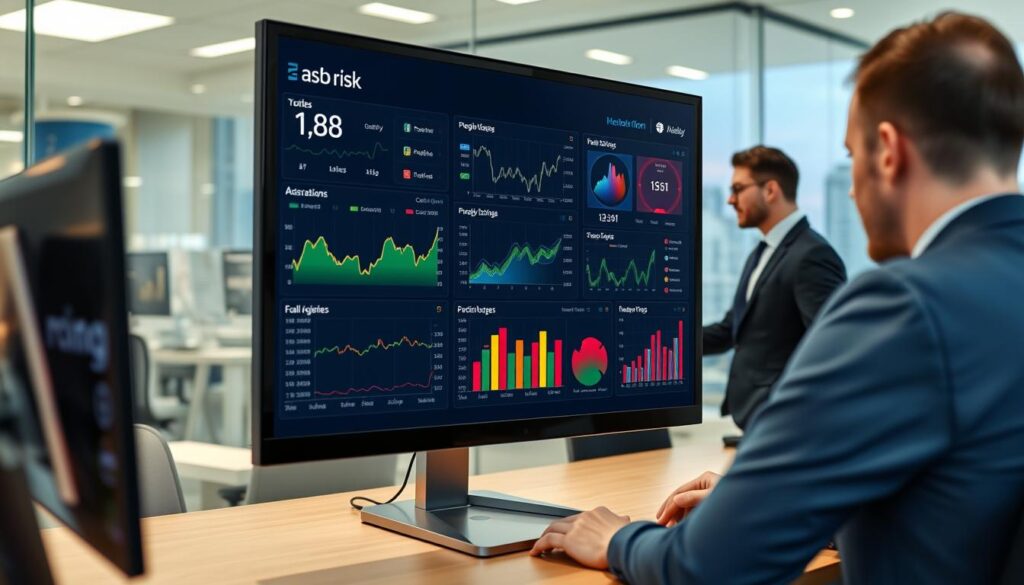
Next, you need a monitoring dashboard. This is your control center where you see market changes like weather. Here, risk monitoring platforms like BOOST help spot issues.
Smart alert thresholds are the third piece. These aren’t simple rules; they’re complex algorithms that understand a lot. They know when to send alerts based on what’s happening.
Lastly, you need people to watch the numbers. Trading teams look for big changes and imbalances. They use their experience to make sense of the data.
This mix of parts makes a strong early warning system. It’s not just about getting alerts; it’s about knowing what they mean and how to act.
The best part? It turns data into useful information. You’re not just watching numbers; you’re predicting what’s next. That’s the power of good risk monitoring.
Setting Alert Thresholds
Think of setting risk monitoring thresholds like being a DJ at the world’s most unpredictable party. You need to know when to turn up the volume and when to cut the music entirely. The art isn’t in reacting to noise – it’s in hearing the melody beneath the chaos.
Not all risks deserve the same attention. A 10% betting imbalance during the Super Bowl might be Tuesday. But that same imbalance in a Bulgarian volleyball match? That’s when the alerts should start flashing like a Vegas marquee.
- Geographic intelligence: European bettors play differently than Latin American players
- Sport-specific parameters: Premier League margins need surgical precision while novelty markets get wider berth
- Player segmentation: VIPs get more leash than anonymous first-time depositors
The magic happens when systems understand context, not just numbers. A betting spike five minutes before kickoff means something entirely different than the same spike at halftime. Advanced systems like BOOST don’t just identify margin issues – they learn from them.
They recognize patterns human traders might miss. Correlated betting across multiple accounts. Unusual activity on obscure markets. The real genius? These systems adjust their own thresholds based on actual risk versus false positives.
They get smarter with each settled bet, each narrow escape from disaster. Because in the world of risk monitoring, the best alerts aren’t the loudest ones – they’re the ones that whisper exactly what you need to hear, exactly when you need to hear it.
Adjusting Operations on the Fly
Real-time risk management is like leading an orchestra in a storm. You must adjust the tempo even when things get tough. When your risk monitoring system shows red alerts, it’s time for action, not panic.
Trading teams work like special forces when they spot unusual patterns. Imagine smart money moving into unexpected places, like Turkish basketball markets. Do you pull out, adjust odds, or limit bets? The right answer is a mix of all, done with care.

Advanced operations use “defensive pricing” to make some bets less appealing. They adjust margins and limit bets in real-time. It’s like playing 3D chess while juggling chainsaws.
The best teams have flexible playbooks, not strict rules. These allow them to mix automation with human insight. They can handle many markets at once, balancing risks like a circus performer.
BOOST technology helps teams respond quickly to issues. They make odds changes and suspend markets in milliseconds. Trading teams then step in to balance risks during market peaks.
The key is when your system learns from these actions. It improves over time, making your operations even better.
| Response Type | Implementation Speed | Risk Reduction Impact | Human Intervention Needed |
|---|---|---|---|
| Dynamic Margin Adjustment | Instantaneous | High | Low |
| Market Suspension | Immediate | Complete | Medium |
| Stake Limiting | Under 5 seconds | Medium-High | Low |
| Defensive Pricing | 2-3 seconds | Medium | Medium |
Effective risk monitoring isn’t about avoiding risks. It’s about learning to adapt in the face of challenges. The system’s alerts guide you, not scare you. For more on building these skills, check out how to develop key risk indicators to strengthen your business.
The goal isn’t to avoid all risks. It’s to manage them so well that you turn threats into chances. That’s when risk management boosts your revenue.
Tech Tools and Examples
Remember when risk monitoring was all about staring at spreadsheets? Those days are over. Now, we have tools that act like supercomputers. Apache Flink can handle billions of events in real-time. Ververica, made by Flink’s creators, helps big names like Flutter Entertainment with quick odds updates.
Platforms like BOOST give us a deep look into where we might be missing something. Altenar’s tools adjust margins instantly. These systems keep a constant eye on risk monitoring with smart alerts. They catch things humans might miss.
Big Canadian sportsbooks use Flink for live betting. European operators with 33 million users use it for fraud checks. The best tools don’t replace people. They give them superpowers with data.
With the right tech, you can see everything happening at once. You can understand what it means and act fast. It’s not just about avoiding problems. It’s about finding chances you’d miss without it.